
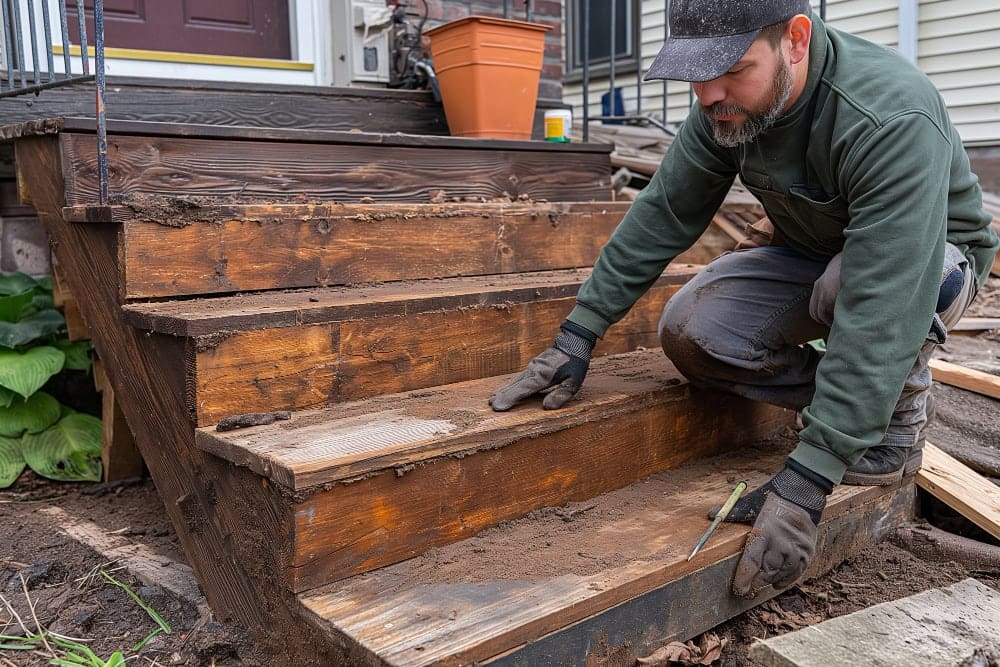
Outdoor wood is beautiful, but let’s be honest—it takes a beating. Rain, snow, and sunlight all work against it. Over time, wood that was once solid and fresh can turn dull, cracked, or even start to rot. Unlike metal or stone, wood is soft and porous. That means it soaks in water, dries out too fast, and shifts as the temperature changes.
So, if you want your deck, fence, siding, or pergola to last, finishing is the answer. A good finish works like a shield. It blocks moisture, slows down sun damage, and makes your outdoor wood easier to clean. Without it, your wood is at the mercy of nature.
And here’s the good news: you don’t have to do this all on your own. Professional exterior painting services can help protect outdoor wood in ways that last longer and look better than a quick DIY coat of paint. But even if you want to try it yourself, there are a few steps worth knowing.
Tips to Protect and Beautify Outdoor Wood Surfaces with Expert Finishing
Choose the right product
When you’re finishing wood, the big decision is between paint and stain. Both work, but they do different jobs.
Paint is like putting a jacket on your wood. It covers everything and gives a new, solid color. It also hides flaws. If your siding has seen better days, paint may be the best way to refresh it while keeping it protected.
Stain, on the other hand, is like sunscreen. It soaks into the wood, showcasing its natural grain. The look is more natural, but it still provides some protection. Stain works well for decks and fences where you want to maintain a natural-wood style.
Prep work is more important
Finishing wood is a little like cooking—you can’t skip steps and expect it to turn out right. The prep stage matters most.
- Wash the wood. Remove dirt, mold, and old coatings. A pressure washer can save time, but scrubbing with soap and water is also effective.
- Sand rough spots. This helps open up the wood, allowing paint or stain to adhere better.
- Repair damage. Replace rotten boards or fill cracks with outdoor-grade filler.
- Use primer if painting. Primer helps paint bond to the surface and keeps colors even.
Skipping prep usually means you finish peels, chips, or fades way too soon.
Apply the finish
There’s more than one way to finish wood, and the method you pick makes a big difference.
- Brushes are best for corners and edges.
- Rollers are quick for flat areas.
- Sprayers work well for fences or siding but take practice.
Most projects use a mix—rolling big areas, brushing details, and sometimes spraying for large spaces. The trick is to go with thin, even coats. A thick coat looks tempting, but it usually bubbles, cracks, or takes forever to dry.
Timing matters when working outside
Outdoor finishing depends on the weather. You’ll want a dry day with mild temperatures and low humidity. Too much heat causes the finish to dry too quickly. Too much moisture and it won’t stick.
Think of it this way: finishing wood in bad weather is like painting a car in the rain. The effort may be there, but the results will fall short. Always check the forecast before starting.
Maintenance keeps wood looking fresh
Even the best finish isn’t permanent. Outdoor wood faces weather year after year, so you’ll need upkeep.
Here’s a simple plan:
- Wash surfaces every few months with mild soap and water.
- Inspect once a year for signs of fading, peeling, or water damage.
- Reapply stain or paint every 2–4 years, depending on the product and the amount of sun or moisture the wood receives.
Regular care helps prevent your wood from reaching the point where it requires costly repairs.
Know when to bring in a professional
DIY is great for smaller projects, such as a fence or a single deck. However, if you’re dealing with siding, a large structure, or wood on a commercial property, hiring a professional makes sense. A trusted commercial paint contractor possesses the right tools, high-quality materials, and years of experience to ensure the job is done right.
It also saves time. What could take a homeowner days—or weeks—can often be done by professionals in a fraction of the time. Additionally, pros know how to avoid common mistakes, such as applying finishes in poor weather or skipping key preparation steps.
The Bottom Line on Protecting Outdoor Wood
Outdoor wood can last and look great, but only if it gets the protection it deserves. Choosing the right finish, preparing the surface, applying it carefully, and maintaining it regularly all matter.
And when the project feels bigger than you can handle, you don’t have to do it alone. Marc Poulos Painting offers the skill, experience, and care to keep outdoor wood surfaces both protected and beautiful for years to come. With the right help, your deck, fence, or siding doesn’t just survive the outdoors; it thrives in it.


