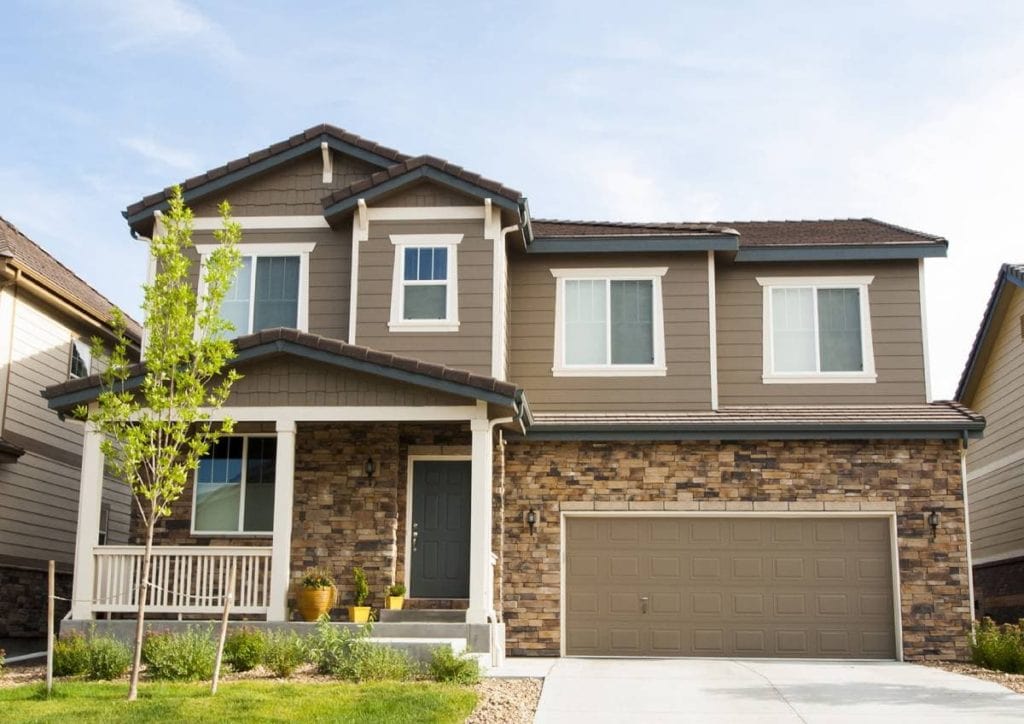

If you’ve been hoping to repaint your home before winter, there may still be an opportunity to complete exterior work during the fall. In Chicago’s north and northwest suburbs, however, fall painting requires more planning than simply finding a warm afternoon on the calendar.
Daytime temperatures are only one part of the equation. Surface moisture, overnight conditions, shade, preparation requirements, drying time, and the specific coating being used can all influence whether exterior painting should proceed.
At Marc Poulos Painting & Decorating, we can help you evaluate the condition of your home’s exterior and determine which work makes sense during the available fall weather window. In some cases, a larger exterior project may still be practical. In others, addressing the most vulnerable areas now and planning additional work for spring may be the better approach.
Start With the Condition of Your Exterior
Before choosing a painting date, walk around your home and look carefully at the existing surfaces.
Pay attention to areas showing:
- Peeling or flaking paint
- Cracked or failing caulk
- Exposed wood
- Soft or deteriorated trim
- Faded coatings
- Open joints or gaps
- Previous repairs that are beginning to fail
- Areas that remain damp longer than surrounding surfaces
Different elevations of the same home can age differently. A wall receiving strong sunlight may show fading and coating wear, while a shaded side may stay damp longer after rain or morning moisture.
Identifying these differences helps establish what preparation and repairs may be required before new paint is applied.
Don’t Judge Painting Weather by the Afternoon Temperature
A mild October afternoon can make exterior painting seem straightforward, but the temperature at 2 p.m. doesn’t tell you everything you need to know.
The surfaces themselves need to meet the requirements of the selected coating. Overnight temperatures and moisture conditions also matter because paint needs appropriate conditions during application and drying.
Shaded siding or trim may remain cool or damp even when the air feels comfortable. Morning dew can also affect when work begins.
Your painting contractor should consider the manufacturer’s application requirements along with the actual conditions at your property before deciding whether painting should proceed.
The goal shouldn’t be to squeeze a project into the calendar at any cost. The goal is to identify a suitable weather window for the work being performed.
Allow Enough Time for Surface Preparation
Fall’s shorter weather windows make preparation especially important to plan.
Depending on your home’s condition, preparation may include cleaning surfaces, removing loose paint, sanding appropriate areas, addressing suitable gaps or failed caulk, repairing damaged trim, and spot priming where necessary.
Those steps require time too.
If preparation reveals deterioration that wasn’t obvious during the initial inspection, the project scope may need additional attention before finish coats are applied.
When reviewing an exterior painting estimate, ask what preparation is included. A detailed understanding of the prep work gives you a clearer picture of what needs to happen before the new color goes onto the house.
Pay Attention to Exposed Wood and Worn Trim
Some exterior conditions may deserve attention sooner than others.
If paint has failed and left wood exposed, or if trim is showing deterioration, point those areas out during your estimate. The condition of the material should be evaluated before deciding how it should be prepared and coated.
Fascia, window and door trim, soffit details, and other painted wood components may experience different levels of weather exposure.
A smaller fall project focused on vulnerable areas may sometimes make more sense than trying to complete a full exterior repaint within a limited weather window.
Decide Whether the Whole House Needs Painting Now
Fall planning doesn’t have to be an all-or-nothing decision.
Your home’s body color may still be performing well while the trim, doors, fascia, or other exposed areas need attention. In that situation, a more focused project may address current concerns while allowing a larger repaint to be planned for another season.
On the other hand, if several elevations show widespread coating failure or deterioration, the overall scope may need to be evaluated differently.
During your estimate, separate immediate maintenance concerns from appearance updates you’d simply like to make.
That distinction can help determine what makes sense to complete before winter.
Consider the Direction Each Side of the House Faces
Sun and shade can create very different conditions around a Chicagoland home.
One side may receive direct sunlight for much of the day, while another remains shaded and dries more slowly after rain or morning moisture.
Trees, neighboring homes, rooflines, porches, and other features can also affect drying conditions.
A painting schedule should account for these differences rather than assuming every exterior surface will be ready at the same time.
This becomes increasingly important later in the season as days become shorter and temperatures vary more significantly between daylight and nighttime hours.
Plan Around Rain and Surface Moisture
Exterior surfaces need appropriate moisture conditions before painting.
Recent rain can affect the schedule even after the clouds have cleared. Some materials and shaded areas may take longer to dry than expected.
Morning moisture can create similar concerns.
If rain is forecast during your planned project, ask how the contractor determines when surfaces are ready and how weather delays will be communicated.
Leaving some flexibility in your schedule can make it easier to respond to changing conditions without rushing preparation or application.
Think About Access Before Work Begins
Fall exterior projects still require the same access and property planning as work completed during warmer months.
Discuss gates, landscaping, patios, outdoor furniture, vehicles, and other features near the work areas.
If leaves or seasonal decorations are accumulating around the house, those may also need to be moved away from surfaces being prepared and painted.
Ask what you should do before the crew arrives and how landscaping or other areas outside the painting scope will be protected.
Clear access can help the project proceed more efficiently when favorable weather hours are limited.
Make Color Decisions Early
If your fall project includes a color change, try to make those decisions before the scheduled painting window arrives.
Compare potential colors with your roof, brick, stone, siding, landscaping, and other exterior features that aren’t changing.
Natural light can affect how colors appear, so look at samples during different times of day when possible.
If your neighborhood or association requires approval for exterior color changes, address that process early. Waiting for approval after the project is otherwise ready can consume valuable fall scheduling time.
Understand How Schedule Changes Will Be Handled
Weather is one of the variables no exterior painting contractor can completely control.
Ask how you’ll be notified if conditions delay preparation or painting. You should also understand whether a delay changes only the workday or affects the larger project schedule.
If you’re coordinating painting with travel, landscaping, repairs, or another contractor, share those details during the estimate.
A realistic fall plan should include enough flexibility to respond to changing conditions rather than relying on a rigid schedule regardless of the weather.
Plan Ahead if Some Work Needs to Wait Until Spring
If conditions don’t allow every part of your exterior project to be completed before winter, ask what should happen next.
Identify which areas need attention now and which can reasonably wait. If some work is deferred, discuss whether any temporary protection or additional monitoring is appropriate.
Keep notes about the remaining scope so you aren’t starting from scratch when spring arrives.
Photographs can also be useful for comparing the condition of questionable areas after winter.
Questions to Ask Exterior Painters Before a Fall Project
Before scheduling fall exterior painting, consider asking:
- What preparation does my home’s exterior need?
- Are any areas more urgent than others?
- Which surfaces are included in the estimate?
- What repairs or caulking are included?
- Which primer and finish system is proposed?
- What application conditions does the selected coating require?
- How do overnight temperatures affect the schedule?
- How do you determine whether surfaces are dry enough to paint?
- What weather conditions would postpone the work?
- How will weather-related schedule changes be communicated?
- What property access will the crew need?
- If the entire project cannot be completed this fall, what should be prioritized?
These questions can help you understand both the work you’re paying for and how the project will be managed during a less predictable season.
Can Exterior House Painting Continue After a Cold Night?
It may still be possible, but the answer depends on the coating being used and the actual conditions at the property.
The manufacturer’s requirements for application and drying should be considered along with surface temperature, moisture, daytime conditions, and the expected overnight weather.
A mild afternoon alone shouldn’t be used to determine whether painting can proceed.
Ask your painting contractor to evaluate the product requirements and project conditions before confirming the day’s work.
Should You Paint the Whole House or Address Exposed Trim First?
Start with the condition of the exterior.
If the primary concern is exposed or deteriorating trim while the rest of the coating remains in reasonable condition, a focused project may be worth considering.
If the house shows broader coating failure, a larger project may be appropriate when conditions allow.
Also consider how much time cleaning, repairs, preparation, primer, finish coats, and drying will require. A smaller scope completed with appropriate preparation may make more sense than rushing a full repaint into a narrowing fall weather window.
Prepare Your Chicagoland Home for Winter
Fall exterior painting requires a balance between your home’s condition, the work you want completed, and the weather available to complete it.
Rather than choosing a date first and forcing the project into it, start by evaluating the surfaces. Determine which repairs and preparation are required, identify the most important areas, and then consider whether the expected conditions provide an appropriate window for the work.
At Marc Poulos Painting & Decorating, we can help you determine which exterior work makes sense now and what may be better planned for spring.
If you’re considering exterior painting in Palatine, Buffalo Grove, Inverness, or a nearby community, schedule a free in-home estimate. We’ll review your home’s condition, preparation needs, priorities, and the available weather window so you can make a sensible plan without feeling rushed by the calendar.