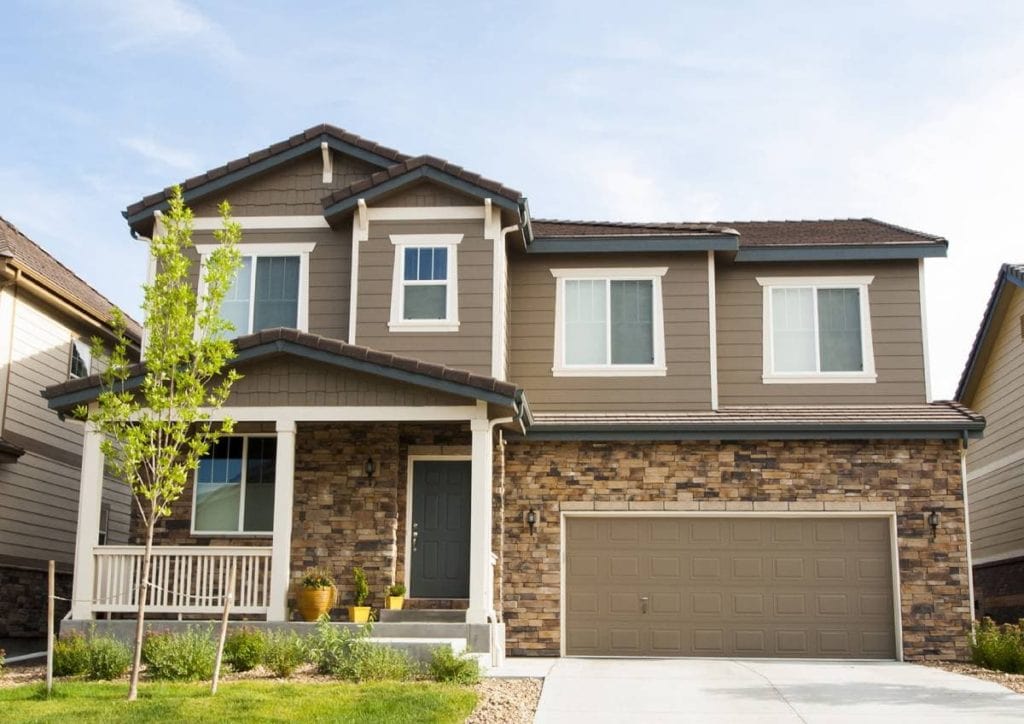
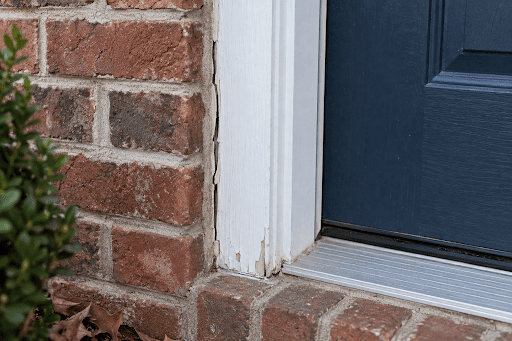
If you’ve spotted a gap beside a window, peeling paint on exterior trim, or an area that seems to stay damp longer than it should, fall is a good time to take a closer look. Small exterior problems can be easy to overlook during warmer months, but Chicagoland’s winter weather can put additional stress on already damaged materials.
Repeated exposure to moisture, freezing temperatures, snow, and freeze-thaw cycles can worsen some existing conditions. That doesn’t mean every crack needs caulk or every peeling board needs replacement. The first step is understanding what you’re actually seeing and determining whether the problem involves the coating, sealant, underlying material, or another part of the exterior assembly.
At Marc Poulos Painting & Decorating, we can help you evaluate failing paint, damaged trim, and appropriate caulk joints as part of planning your exterior painting project.
Inspect Exterior Trim Before Winter
Start by walking around your home and looking closely at painted exterior trim.
Pay particular attention to:
- Window trim
- Door surrounds
- Corner boards
- Fascia and other painted roofline details
- Garage-door trim
- Areas near horizontal surfaces
- Joints between different materials
- Locations where you’ve previously noticed peeling or staining
Look for peeling or flaking paint, open joints, discoloration, cracked sealant, exposed wood, and areas that appear soft or deteriorated.
You don’t need to diagnose the problem yourself. Make notes or take photographs of questionable areas and bring them to your painting estimate.
Higher areas that can’t be safely inspected from the ground should be left for someone with appropriate access equipment.
Understand Why Peeling Paint Matters
Peeling paint is more than an appearance issue because it indicates that the coating is no longer performing as intended in that area.
There can be several reasons for coating failure, so simply covering peeling paint with another coat isn’t necessarily an appropriate solution.
Loose material generally needs to be addressed during preparation, and the condition of the surface underneath should be evaluated.
If the underlying wood remains sound, preparation and a suitable coating system may be appropriate. If the wood has become soft, deteriorated, or otherwise unable to provide a stable surface, repair or replacement may need to happen before painting.
The goal is to create a sound substrate for the new finish rather than using paint to conceal a condition underneath it.
Check Caulk Around Windows, Doors, and Trim
Caulk is used at appropriate exterior joints to help manage gaps and transitions between materials.
Over time, some sealants can crack, separate, shrink, or lose adhesion. When that happens, the joint may need attention as part of exterior preparation.
Walk around your home and look for:
- Cracked caulk
- Sections pulling away from one side of a joint
- Missing material
- Open seams where sealant was previously present
- Deteriorated or brittle-looking joints
Point these areas out during your estimate so they can be evaluated.
However, don’t assume every visible opening should be filled.
Not Every Exterior Gap Should Be Caulked
This distinction is important.
Some exterior openings are intentionally designed to allow drainage, ventilation, or movement. Filling those areas indiscriminately can interfere with the way an exterior assembly is intended to manage water or air.
Before sealing a gap, the contractor should understand what the joint is and whether sealant belongs there.
The appropriate approach should account for the construction assembly, surrounding materials, and applicable sealant or manufacturer guidance.
If you’re unsure why a particular opening exists, ask before filling it.
Look for Signs of Moisture Problems
Recurring staining, peeling, or deterioration may indicate that something more than ordinary coating wear is happening.
If one section repeatedly develops problems while nearby surfaces remain in good condition, mention that pattern during your estimate.
Look for areas where:
- Paint repeatedly peels
- Stains return after previous painting
- Wood remains damp
- Discoloration continues to appear
- Water collects against exterior materials
- Deterioration is concentrated below another building feature
Painting can protect an appropriately prepared surface, but it doesn’t correct every source of moisture.
If a condition appears to originate from roofing, flashing, drainage, plumbing, or another building component, that issue may fall outside the painting scope and require additional evaluation.
Understanding the cause before repainting can help prevent the same visible problem from simply returning.
Know the Difference Between Surface Wear and Damaged Wood
Paint deterioration and wood deterioration aren’t the same thing.
A sound piece of trim with failing paint may need cleaning, scraping or sanding as appropriate, primer, and a new finish system.
Soft, rotted, or substantially deteriorated wood presents a different problem. Paint isn’t a structural repair and cannot turn an unstable substrate into sound material.
Depending on the extent of the damage, a localized repair may be possible, or the affected component may need replacement.
During your estimate, ask which areas appear to require painting preparation and which may need carpentry or another type of repair first.
Preparation Should Match the Existing Condition
The amount of preparation your exterior needs depends on what the inspection reveals.
Work may include:
- Cleaning appropriate surfaces
- Removing loose or failing paint
- Sanding suitable areas
- Replacing failed caulk at appropriate joints
- Spot priming exposed or repaired surfaces
- Addressing minor surface defects
- Completing appropriate trim repairs
- Replacing deteriorated material where necessary
Not every house requires every step.
Your estimate should explain the preparation included in the proposed scope and identify known areas requiring additional repair.
If more deterioration could become visible once loose coatings or damaged material are removed, ask how those discoveries will be handled.
Discuss Carpentry Before Painting Begins
Exterior painting and trim repair often overlap, but they’re still different types of work.
If damaged wood cannot provide a sound surface for paint, it should be addressed before the finish system is completed.
Ask whether known carpentry work is included in the estimate and how additional deterioration discovered during preparation would be handled.
You should understand whether the proposal includes repair, replacement, or painting only.
This is particularly useful when comparing contractors because two estimates may appear similar while including very different preparation and repair scopes.
Consider Chicagoland’s Fall Weather
If trim repairs will be followed by exterior painting, weather becomes part of the planning process.
Temperature, surface moisture, rain, drying conditions, and the requirements of the selected products can affect when preparation, priming, caulking, and painting should proceed.
A warm afternoon doesn’t automatically mean every material or coating can be applied appropriately.
Ask what conditions the selected products require and how colder nights or changing weather could affect the schedule.
If the weather window becomes too limited, discuss which work makes sense to address now and what should be planned for another season.
Know What Exterior Painting Services Include
When comparing exterior painting services, don’t look only at the number of finish coats or the final color.
Ask for a scope that distinguishes between:
- Loose or failing paint
- Sound versus deteriorated wood
- Failed caulk
- Surface preparation
- Primer
- Finish coatings
- Known carpentry repairs
- Potential additional repairs
- Areas outside the painting scope
If a stain or damaged area keeps returning, ask whether there may be an underlying condition that needs attention before another coating is applied.
A clear estimate should help you understand what’s being painted, what’s being repaired, and which conditions may require another contractor or additional work.
Older Homes May Require Lead-Safe Practices
If your home was built before 1978, older painted surfaces may contain lead-based paint.
Before work disturbs existing coatings, ask how applicable lead-safe requirements will be handled.
Preparation methods that scrape, sand, or otherwise disturb older coatings can require specific containment and cleanup practices.
If you’re unsure about the age of the home or previous coatings, bring that information up during the estimate rather than waiting until preparation begins.
Questions to Ask During Your Exterior Estimate
Before winter, consider asking:
- Which areas of my trim are still sound?
- Which areas need repair or replacement?
- Where is existing caulk failing?
- Which joints should actually be sealed?
- Are any openings intentionally left for drainage or ventilation?
- What preparation is included?
- Where will primer be used?
- Is known carpentry included in the estimate?
- What happens if additional deterioration appears during preparation?
- Could recurring peeling or staining indicate another moisture problem?
- What weather conditions are required for the proposed products?
- Which work should be completed now, and what can reasonably wait?
These questions can give you a clearer picture of both the condition of your exterior and the proposed work.
Prepare Your Chicagoland Home for Winter
Fall is a useful time to pay attention to deteriorated trim, failing paint, and appropriate exterior joints before another Chicagoland winter.
The goal isn’t to caulk every opening or cover every damaged area with fresh paint. It’s to understand the condition of the surface, determine which preparation and repairs are appropriate, and provide a sound foundation for the coating system.
At Marc Poulos Painting & Decorating, we can help you evaluate damaged trim, open joints, recurring peeling, and other exterior concerns as part of your painting project.
If you’re comparing painting contractors in Arlington Heights or the surrounding suburbs, schedule a free in-home estimate and bring photographs or notes about areas that concern you. We’ll help you understand the preparation, repairs, and exterior painting your home needs before the work begins.