
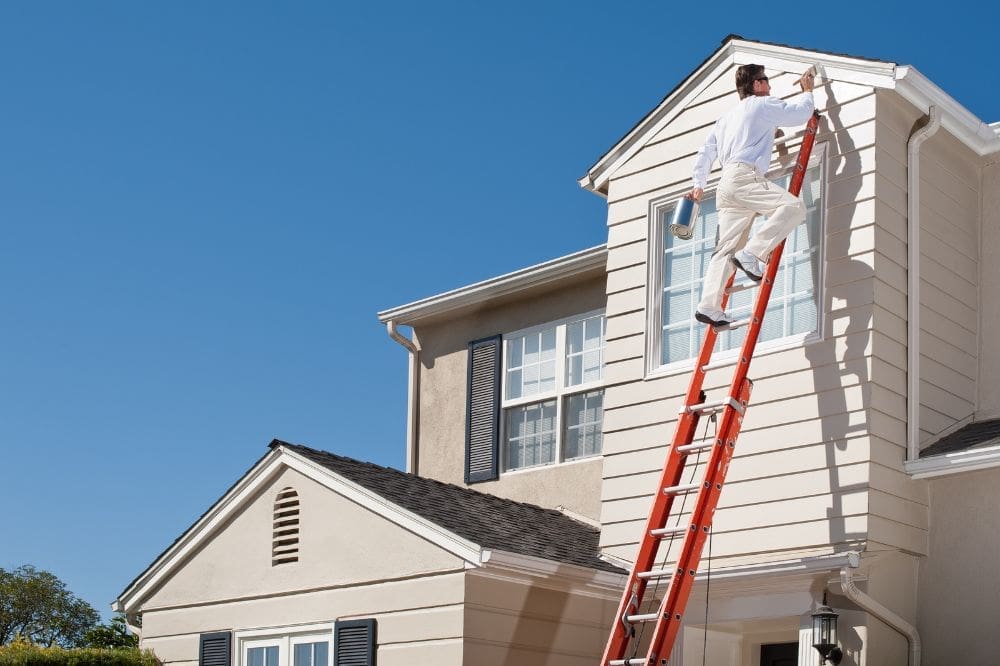
- Optimal Timing: The best window for exterior painting in the North/NW Chicago suburbs is from May through early October, with July and September offering the most stable conditions.
- Ideal Conditions: Aim for daytime temperatures between 50°F and 85°F, ensuring overnight lows stay above 45°F to allow for the critical chemical curing process.
- Weather Watch: Avoid painting during high humidity or when surface temperatures are near the dew point, as moisture prevents proper paint adhesion and leads to peeling or bubbling.
- Environmental Factors: Be mindful of “lake-effect” weather and direct sunlight; rapid temperature swings or intense heat can cause paint to dry too quickly, resulting in uneven finishes and reduced durability.
Painting Exteriors in North/NW Chicago Suburbs: Timing is Key
Painting the exterior of your home in the North and Northwest Chicago suburbs involves more than just picking a color. The local weather, especially those quick changes, plays a huge role in how long your paint job will last. Understanding the best time for Chicago exterior painting helps protect your investment and ensures a beautiful finish for years to come.
Professional painters in areas like Evanston, Glenview, Wilmette, Skokie, Kenilworth, and Park Ridge know that timing is everything. They consider not just the day’s temperature, but also factors like humidity, surface temperature, and what the weather will do overnight. This careful approach is what sets expert exterior home painting apart, especially in the unique North Shore painting environment.
Optimal Temperature Range for Exterior Painting
For your exterior paint to last, the temperature needs to be just right. Professional painters in Chicago know that the optimal temperature range for exterior paint application is generally between 50°F and 85°F during the day. More importantly, the overnight lows should stay above 45°F for proper paint curing. Painting weather conditions are crucial for a successful project.
Why does this matter? When temperatures are too low, the paint struggles to dry and cure properly. If it’s too hot, the paint can dry too quickly, leading to issues like bubbling or an uneven finish. Some advanced exterior coatings can be applied as low as 35°F, but even then, consistent conditions are essential for proper paint adhesion and the overall paint curing process.
Importance of Curing Times and Stages for Exterior Coatings
Many people think paint is “dry” when it’s no longer wet to the touch. However, professional painters understand that paint also needs to “cure.” This curing process is when the paint truly hardens and becomes durable. It involves a chemical reaction where resins in the paint cross-link, creating a strong, protective layer.
Signs of healthy curing include a uniform sheen, no tackiness, and consistent color after the full dry time. Cool or damp conditions, common in the North Shore, can significantly slow this process. If the paint doesn’t cure properly, it won’t offer the siding protection your home needs, potentially leading to early peeling or chipping. This is why understanding paint drying time and the full curing process is vital for any Evanston exterior painting or Glenview house painters.
Effects of Temperature Swings on Paint Performance
The North/NW Chicago suburbs are known for their quick temperature swings, often influenced by Lake Michigan. These rapid changes can be tough on fresh exterior paint. For example, a warm day followed by a sudden cold front can cause the paint to expand and contract too quickly, leading to problems like peeling, bubbling, or inconsistent paint sheen and gloss.
Painting during stable temperature windows helps prevent these defects. Professional painters like Marc Poulos Painting carefully monitor forecasts to ensure conditions remain steady throughout the paint adhesion and curing process. This attention to detail is crucial for the long-term durability of your exterior coatings, especially for homes in areas like Wilmette and Kenilworth, which experience significant lake-effect weather.
Best Months for Exterior Painting in North/NW Chicago Suburbs
So, when is the ideal exterior painting season in our area? Generally, the most reliable windows for painting weather conditions are from late spring through early fall, specifically May through early October. During these months, you’re more likely to experience mild, stable weather with lower humidity levels, which is perfect for painting.
Many professional painters in Chicago find that July and September often offer optimal conditions. The warm, but not excessively hot, temperatures and typically drier air allow for proper paint drying time and curing. Planning your project during these months helps ensure the best possible outcome for your North Shore remodeling or exterior home painting project.
Impact of Humidity and Dew Point on Painting Windows
Humidity and dew point are often overlooked but are critical factors in exterior painting. High humidity levels slow down the evaporation of solvents and water from the paint, which delays the curing process. This can leave the paint vulnerable to moisture damage and dust before it fully hardens.
The dew point is the temperature at which air becomes saturated with moisture, leading to surface condensation. If the surface temperature of your home drops to or below the dew point during or shortly after painting, moisture can form on the paint film. This compromises paint adhesion and can lead to issues like streaking, blistering, or even mold growth. Professional painters always check surface and air humidity, as well as the dew point, to avoid painting when moisture risk is high, ensuring optimal paint adhesion for your Skokie exterior painting or Park Ridge painters project.
Optimal Temperature Range for Exterior Painting
When you’re thinking about exterior home painting, especially in the North Shore and North/NW Chicago suburbs, two things are super important: the air temperature and the temperature of the surface being painted. Most paints, including the exterior coatings professional painters Chicago use, work best when temperatures are mild and stable. This helps the paint stick well and form a strong, lasting coat, ensuring good paint adhesion.
The ideal temperature range for applying most exterior paints is between 50°F and 85°F during the day. It’s also critical that overnight lows stay above 45°F for at least 48 hours after the paint is applied. This longer period of mild temperatures allows the paint to begin its curing process properly. This is crucial for the durability of your Evanston exterior painting or Glenview house painters project.
While some newer, advanced exterior coatings can be applied in temperatures as low as 35°F, the overall painting weather conditions still matter a lot. Even with these specialized paints, a stable weather window is always preferred for the best results. This helps avoid issues later, common in areas like Wilmette and Skokie.
Understanding Paint Curing Times and Stages
Many people think paint is “dry” when it’s no longer wet to the touch. However, for a truly durable finish, paint needs to “cure.” Curing is a chemical process where the paint hardens completely, forming a strong, protective film. Think of it like baking a cake, it might look done on the outside, but it needs time in the oven to fully set.
During the curing process, tiny particles in the paint, called resins, link together. This is called cross-linking resins, and it’s what gives paint its strength, uniform sheen, and resistance to damage. If the temperature is too low or humidity levels are too high, this process slows down significantly. This can lead to issues like inconsistent paint sheen and gloss, or a surface that remains tacky.
For your North Shore painting project, professional painters Chicago understand that healthy curing means the paint feels hard, has a consistent color and sheen, and shows no tackiness after the full drying time. Cool or damp conditions, often seen with lake-effect weather near Lake Michigan, can delay this process, impacting the long-term performance of your exterior paint temperatures and siding protection.
Effects of Temperature Swings on Paint Performance
The North/NW Chicago suburbs are known for their quick temperature changes. These rapid shifts, like sudden cold fronts or heat waves, can seriously affect your exterior paint. Painting during unstable painting weather conditions can lead to problems like peeling, bubbling, and uneven paint sheen.
For instance, if the surface temperature drops too quickly after painting, the paint can’t form a strong bond, leading to poor paint adhesion. If it gets too hot too fast, the paint might dry on the surface before it has a chance to cure underneath, causing bubbles. This is why professional painters for your Kenilworth home painting or Park Ridge painters project always look for stable weather windows to prevent these defects.
Rapid thermal expansion and contraction of your home’s siding due to temperature swings can also stress the paint film. Painting during a period of stable exterior paint temperatures helps ensure the paint can expand and contract with the siding without cracking or failing prematurely. This is a key consideration for overall paint durability and protecting your investment in exterior coatings.
Understanding Paint Curing and Its Importance for Exterior Painting
When you have your home’s exterior painted, the process involves more than just the paint drying. It also includes something called curing. Think of drying as when the paint feels dry to the touch because the water or solvents have evaporated. Curing, however, is a much longer and deeper process. It’s when the paint fully hardens and forms a strong, protective film on your siding. This often involves a chemical reaction, making the paint truly durable.
Why Proper Curing Matters for Your Exterior Paint Durability
Proper curing is absolutely essential for the long life and performance of your exterior paint. If the paint doesn’t cure correctly, it won’t protect your siding as it should. This could lead to premature peeling, chipping, or fading, especially in the varied weather of the North Shore and North/NW Chicago suburbs.
You can tell paint is curing well when it has a uniform look, isn’t sticky, and shows consistent color after the full drying time. Conditions like cool temperatures or high humidity levels can significantly slow down this entire process. This leaves the paint vulnerable to damage and affects its overall paint adhesion.
Imagine baking a cake: it might look done on the outside (dry), but if the inside isn’t fully cooked (cured), it won’t hold up. Paint needs that internal “cooking” to be strong and durable, especially for exterior home painting projects in areas like Evanston or Glenview.
Effects of Temperature Swings on Exterior Paint Performance
The North Shore and surrounding areas of Chicago are famous for their quick weather changes. Sometimes, you can experience all four seasons in a single day! These rapid temperature swings can cause serious problems for fresh exterior paint.
When temperatures shift quickly, especially from warm to cold, the surface of your home expands and contracts. This natural movement is called thermal expansion and contraction. It’s like how a bridge expands in heat and shrinks in cold.
If your exterior paint is still in the early stages of drying or the paint curing process during these changes, issues can pop up. You might see problems like paint peeling, bubbling, or unevenness in the paint’s look, known as sheen inconsistencies.
Painting during stable exterior paint temperatures helps prevent these defects. It ensures the paint adhesion is strong and the paint cures uniformly. This is why professional painters Chicago always check the forecast for several days, not just the day they start.
For example, if you’re getting Evanston exterior painting or need Glenview house painters, they will carefully watch the surface temperature and upcoming cold fronts. This attention to detail is crucial for the paint durability of your exterior coatings.
Best Months for Exterior Painting in North/NW Chicago Suburbs
Because of the unique weather patterns around Lake Michigan, choosing the right time of year is crucial for exterior painting projects in areas like Northfield, Evanston, and other North Shore communities.
The most reliable times for Chicago exterior painting are typically from late spring through early fall. This means roughly May through early October. During these months, the weather tends to be milder and more stable, with lower humidity levels.
July and September often offer the most optimal conditions for exterior coatings. They frequently have consistently warm, dry days, which are ideal for the paint curing process.
Booking your Glenview house painters or Wilmette painting services during these times ensures your home gets the best possible conditions for a lasting finish. Planning ahead, especially for spring exterior painting or fall exterior painting, is always a good idea.
Optimal Temperature Range for Exterior Painting
For successful exterior home painting, temperature is extremely important. Professional painters in Chicago know that ideal painting weather conditions mean daytime temperatures should consistently be between 50°F and 85°F.
It’s also critical that overnight lows stay above 45°F. This range allows for proper paint adhesion and ensures the paint begins its curing process correctly. Some advanced exterior paint temperatures can handle application as low as 35°F, but stable conditions remain key.
Understanding the Paint Curing Process
Paint doesn’t just dry, it cures. This process involves the paint’s resins forming strong bonds, a step called cross-linking resins. Healthy curing results in a uniform sheen, a surface that isn’t sticky, and consistent color after the full dry time.
Cool or damp conditions, common in shoulder seasons, can significantly slow down this vital curing process. This is why professional painters Chicago always consider the paint drying time and overcoat window.
How Temperature Swings Affect Paint Performance
The North Shore and surrounding areas are known for quick weather changes, sometimes experiencing all four seasons in a single day. These rapid temperature swings, or thermal expansion and contraction, can cause serious problems for fresh exterior coatings.
Issues like peeling, bubbling, and inconsistent paint sheen and gloss can arise. Painting during stable temperature windows helps prevent these defects and ensures paint durability. This is especially true for lakefront weather painting where conditions can shift rapidly.
The Impact of Humidity and Dew Point
High humidity levels can significantly slow down both solvent evaporation and the paint curing process. This makes checking painting humidity levels crucial for North Shore painting projects.
The dew point painting risk is also a major concern. If the surface temperature of your home drops too close to the dew point, moisture can form on the surface. This surface condensation compromises paint adhesion, leading to paint failure. Professional painters like Peralta Painting & Remodeling always check the dew point and surface temperature before starting.
Avoiding painting when there’s a high moisture risk is a best practice for any Skokie exterior painting or Kenilworth home painting project. This also impacts the painting rain window, as high humidity often precedes rain.
The Impact of Humidity and Dew Point on Your Exterior Paint Job
When planning your Chicago exterior painting project, temperature isn’t the only factor. Humidity and dew point are equally important for a long-lasting finish. High humidity means more moisture in the air. This moisture slows down how quickly paint dries and fully hardens, which is called the curing process. If paint dries too slowly, it can sag or even trap moisture underneath, causing bubbles or blisters on your siding protection.
Understanding Dew Point and Its Role in Paint Adhesion
The dew point is a specific temperature. When the surface temperature of your home, like the siding or trim, drops to or below the dew point, moisture from the air turns into liquid water on that surface. Think of it like a cold glass of water on a humid day, water beads up on the outside.
Painting when your exterior surfaces are near or below the dew point is a major problem for paint adhesion. The paint won’t stick properly to a wet surface. This can lead to the paint failing early, peeling, or not bonding correctly, especially in areas like Evanston, Glenview, or Wilmette, where lakefront weather can create tricky conditions.
Professional painters in Chicago, like Marc Poulos Painting, always check both the air humidity and the surface temperature before starting any exterior home painting. They know that avoiding painting when there’s a high risk of surface condensation is key to a durable finish.
How Different Weather Factors Affect Your Exterior Paint Job
Understanding these weather elements helps ensure your exterior coatings will last. Here’s a quick guide to what professional painters consider for optimal painting weather conditions:
| Weather Factor | Ideal Conditions | Why It Matters for Paint Durability | Potential Issues in Bad Conditions |
|---|---|---|---|
| Air Temperature | 50°F – 85°F (Day), Above 45°F (Night) | Ensures paint flows, dries, and cures correctly. This is vital for the curing process of exterior coatings. | Too cold: Poor paint adhesion, slow cure, cracking. Too hot: Dries too fast, brush marks, bubbling. |
| Surface Temperature | Similar to air temp, always check directly | Directly impacts how paint bonds and dries on materials like siding. Crucial for proper paint adhesion. | Cold surfaces: Paint won’t stick. Hot surfaces: Paint dries too fast, leading to issues like lap marks or poor color accuracy. |
| Humidity Levels | Below 70% Relative Humidity | Allows paint to dry and cure evenly without trapping moisture. Low painting humidity levels are critical for solvent evaporation and proper cross-linking resins. | High humidity: Slow drying, sagging, blistering, poor paint curing process. |
| Dew Point | Surface temperature well above dew point | Prevents moisture from forming on the surface during coating application. This is a prime consideration for lakefront weather painting. | Surface temp near or below dew point: Surface condensation, poor paint adhesion. |
| Wind | Light breeze | Helps with drying, but too much wind can cause problems for exterior paint temperatures. | Strong wind: Rapid drying, uneven finish, airborne debris, affecting paint sheen and gloss. |
| Rain | Dry conditions 4-6 hours after painting | Ensures paint has enough time to set before getting wet. This is the painting rain window. | Rain too soon: Wash-off, streaks, damaged finish. |
The Importance of Curing Times and Stages for Exterior Coatings
Once paint is applied, it doesn’t just dry; it goes through a curing process. Drying means the solvents evaporate, and the paint feels dry to the touch. Curing is when the paint truly hardens and reaches its full durability. This involves a chemical reaction, often called cross-linking resins, which makes the paint film strong and resistant to weather.
Signs of healthy curing include a uniform paint sheen and gloss, no tackiness, and consistent color after the full dry time. Cool or damp conditions, common during shoulder seasons in the North Shore, can significantly slow down this crucial curing process. This is why professional painters in Skokie and Kenilworth pay close attention to the paint drying time and ensure the overcoat window is respected.
Effects of Temperature Swings on Paint Performance in the North Shore
The North Shore area, including Northfield and Park Ridge, often experiences quick temperature changes. These rapid temperature swings, whether sudden cold fronts or heat waves, can seriously affect your exterior paint’s performance. For example, if paint dries too quickly on the outside but stays wet underneath, it can lead to peeling or bubbling.
Extreme temperature changes can also cause inconsistencies in paint sheen and gloss. Painting during stable temperature windows, especially during optimal spring exterior painting or fall exterior painting periods, helps prevent these defects. This attention to detail is a hallmark of quality North Shore painting and Glenview house painters.
Spring Exterior Painting in the North/NW Chicago Suburbs
Spring in the North/NW Chicago suburbs, especially areas near Lake Michigan, can seem like the perfect time for exterior painting projects. The weather starts to warm, and everyone wants to refresh their homes. However, spring also brings unique challenges for Chicago exterior painting.
Understanding Spring Weather for Paint Adhesion
Frequent rain showers and unpredictable temperature swings are common in spring. While May often presents good conditions, early spring months like April can be too cold and wet. This affects the critical paint adhesion and curing process, which is vital for durability.
It’s important to allow surfaces to dry completely after winter moisture and spring rains before any paint application. Professional painters always perform a pre-paint moisture assessment to ensure the substrate preparation is correct. This helps prevent issues like peeling or bubbling later on.
The Impact of Temperature Swings on Paint Performance
Rapid temperature changes, such as a warm day followed by a cold night, can cause problems for newly applied exterior coatings. This is especially true in areas like Evanston, Glenview, and Wilmette, where lake-effect weather can be significant.
When the temperature changes quickly, the painted surface expands and contracts. If the paint hasn’t fully cured, this thermal expansion and contraction can lead to defects. You might see issues like peeling, bubbling, or inconsistencies in the paint’s sheen and gloss. This is why painting during stable temperature windows is so important for a long-lasting finish.
Optimal Temperature Range for Exterior Painting
For most exterior paints, the ideal temperature range is between 50°F and 85°F during the day. Crucially, overnight lows should stay above 45°F for proper curing. Even if it’s warm during the day, a sudden drop in temperature overnight can slow down or stop the curing process, compromising the paint’s durability.
Some advanced exterior coatings can be applied in temperatures as low as 35°F. However, even with these specialized paints, the overall painting weather conditions, including humidity and dew point, still play a huge role. Always check the specific paint product’s recommendations.
Why Curing Times and Stages Matter
Paint doesn’t just dry; it cures. Drying is when the solvents evaporate, making the paint feel dry to the touch. Curing is a chemical process where the paint resins cross-link and harden, reaching their full durability and strength.
Signs of healthy curing include a uniform sheen, no tackiness, and consistent color after the full dry time. Cool or damp conditions, common in early spring, significantly slow this curing process. If paint is exposed to moisture or extreme temperatures before it’s fully cured, it can lead to premature failure, such as cracking or flaking.
Humidity Levels and Dew Point for Spring Painting
High humidity levels in spring can slow down the drying and curing of paint. This is particularly important for North Shore painting projects, where proximity to Lake Michigan can mean higher moisture in the air.
The dew point is also a critical factor. If the surface temperature of your home drops too close to the dew point, moisture can condense on the surface, even if it’s not raining. Painting over a damp surface compromises paint adhesion and can lead to blistering or poor paint durability. Professional painters in Skokie, Kenilworth, and Park Ridge always monitor these conditions carefully.
Fall Exterior Painting: The Sweet Spot for North Shore Homes
Fall, especially September and early October, often offers ideal conditions for Chicago exterior painting. The intense heat and high humidity of summer usually fade away. This leads to more stable, mild temperatures that are perfect for your exterior home painting project.
Why Fall Weather is Great for Paint Curing
When temperatures are steady, paint can dry and cure at a consistent rate. This reduces common problems like lap marks or uneven paint sheen and gloss. For homeowners in Park Ridge, Skokie, and Northfield, fall is often the preferred exterior painting season.
The Importance of a Full Curing Process
Paint doesn’t just dry; it needs to cure. This is a chemical process where the paint’s resins form strong bonds, creating a durable finish. Think of it like baking a cake: it needs enough time in the oven to fully set. Cool or damp conditions can significantly slow this paint curing process.
You want to see a uniform sheen, no stickiness, and consistent color after the paint has fully dried and cured. This proper curing process is key to the longevity of your exterior coatings.
Optimal Temperature Range for Fall Painting
For most paints, the ideal exterior paint temperatures are between 50°F and 85°F during the day. It’s also crucial that overnight lows stay above 45°F. This allows for proper curing and strong paint adhesion. Some modern paints can be applied in temperatures as low as 35°F, but stable conditions are still very important.
Watching for Early Winter: A Fall Painting Challenge
As winter approaches, days get shorter, and overnight temperatures can drop quickly, especially in areas like Evanston and Glenview. It’s vital to finish North Shore painting projects before consistent freezing temperatures arrive. This ensures the paint has enough time to fully cure and protect your siding. Professional painters in Chicago, like those at Marc Poulos Painting, carefully monitor these changes.
Managing Temperature Swings and Paint Performance
Rapid temperature changes, such as a sudden cold snap, can harm your fresh paint. These swings can lead to issues like peeling, bubbling, and inconsistent sheen. Painting during a period of stable painting weather conditions helps prevent these defects and ensures your exterior home painting lasts.
We always check the surface temperature of your home, not just the air temperature. This is especially important for homes near Lake Michigan, where lake-effect weather can create unique challenges.
The Impact of Sun and Wind on Exterior Paint
When thinking about Chicago exterior painting, it’s not just about the temperature. Direct sunlight and strong winds also play a big role in how well your paint job turns out. These factors can change the paint drying time and affect the overall finish.
How Direct Sunlight Affects Your Paint
Imagine painting a wall in the middle of a hot, sunny day. On surfaces like south-facing walls, the sun can heat the surface temperature of your home dramatically. This intense heat causes the paint to dry too quickly.
When paint dries too fast, it can lead to problems like bubbling, poor paint adhesion, and visible brush strokes. The paint doesn’t have enough time to “level out” and create a smooth finish. This is why professional painters Chicago often plan their work to follow the shade around a house, especially in areas like Evanston exterior painting or Glenview house painters projects.
The Effects of Strong Winds
Strong winds, especially common in lakefront weather painting areas near Lake Michigan, can also cause issues. Like intense sun, strong winds can speed up the paint drying time too much. This can result in an uneven finish or make it difficult for the paint to form a strong bond.
Even worse, strong gusts can blow dust, pollen, and other debris onto wet paint. This compromises the final look and paint durability of your exterior home painting project. While a light breeze is helpful for solvent evaporation, anything stronger requires careful planning by experienced teams for Wilmette painting services and other North Shore painting projects.
Optimal Temperature Range for Exterior Painting
To ensure a long-lasting finish, it’s crucial to paint within the right temperature window. Most experts agree that the optimal temperature range for exterior painting is between 50°F and 85°F during the day. More importantly, the overnight lows should stay above 45°F for proper paint curing process. Some advanced exterior coatings allow for application as low as 35°F, but stable conditions are still key.
This ideal window helps the paint dry and cure correctly, forming a strong, protective layer. When temperatures are too cold, paint can become thick and difficult to apply. If it’s too hot, it can dry too fast, leading to the problems mentioned earlier.
Understanding Paint Curing Times and Stages
Paint doesn’t just “dry”; it goes through a curing process. Drying means the solvents evaporate, and the paint feels dry to the touch. Curing, however, is when the paint truly hardens and reaches its maximum durability. This involves the cross-linking resins within the paint forming a tough film.
Signs of healthy curing include a uniform paint sheen and gloss, no tackiness, and consistent color after the full dry time. Cool or damp conditions, common during shoulder seasons, can significantly slow down this curing. This is why understanding the paint curing process is vital for any Skokie exterior painting or Kenilworth home painting project.
The Effects of Temperature Swings on Paint
Rapid temperature swings are a major concern in the Chicago area. Sudden cold fronts or unexpected heat waves can cause paint to peel, bubble, or show inconsistencies in its finish. This is partly due to thermal expansion and contraction of the siding as temperatures change quickly.
Painting during stable temperature windows helps prevent these defects. For instance, a sudden drop in temperature overnight can cause moisture to form on the surface, impacting paint adhesion. This is why planning around predictable weather is so important for Park Ridge painters and other North Shore remodeling professionals.
Best Months for Exterior Painting in North/NW Chicago Suburbs
Given Chicago’s weather, the most reliable exterior painting season for North/NW Chicago suburbs runs from late spring through early fall. Specifically, May through early October generally offers mild, stable weather with lower painting humidity levels. Many professional painters find that July and September often provide the most optimal painting weather conditions for Northfield and surrounding areas.
While spring exterior painting can be good, it often brings more rain and unpredictable temperature changes. Fall exterior painting, especially September, is often considered a “sweet spot” due to consistently mild temperatures and lower humidity. Always check the forecast for the paint rain window before starting any project.
Humidity and Dew Point: Hidden Paint Killers
High humidity levels can significantly slow down paint drying and curing. When the air is saturated with moisture, the paint’s solvents evaporate much slower, extending the paint drying time. This can leave your paint vulnerable to dust and debris for longer.
The dew point painting is another critical factor. The dew point is the temperature at which air becomes saturated with moisture, leading to surface condensation. If the surface temperature of your home drops to or below the dew point while the paint is still wet, moisture will form on the surface. This moisture can compromise paint adhesion and lead to peeling or blistering. Professional painters Chicago use moisture measurement tools to ensure these conditions are avoided.
Choosing the Right Exterior Coatings for Chicago Weather
The type of exterior paint you choose makes a big difference in how well your home handles the constantly changing weather in areas like the North Shore. Modern paints are built to last, with special ingredients that make them more durable and flexible.
Some paints are even designed to be applied in slightly cooler temperatures. This can extend the exterior painting season in places like Evanston, Glenview, and Wilmette. Talking with professional painters, like Marc Poulos Painting, helps you pick the best paint for your home and the local climate. This ensures excellent siding protection.
The Importance of Paint Curing Process and Stable Temperatures
Many people think paint is dry once it’s no longer sticky. However, paint also needs to “cure.” This is a chemical process where the paint hardens and reaches its full strength and durability. Think of it like baking a cake. It might look done, but if you take it out too soon, it’s still gooey inside.
For exterior paint in Chicago, cool or damp conditions significantly slow this curing process. You want to see a uniform look, no stickiness, and consistent color after the full drying time. This means the paint adhesion is strong and the paint is properly cured.
Optimal Temperature Range for Exterior Painting in Chicago
For the best results with Chicago exterior painting, most paints need specific weather conditions. The ideal temperatures are generally between 50°F and 85°F during the day. Crucially, overnight lows should stay above 45°F for proper curing. These stable temperatures are key for paint adhesion and a long-lasting finish.
While some advanced exterior coatings can be applied in temperatures as low as 35°F, it’s still important to consider the overall conditions. Even with these specialized paints, factors like humidity and the dew point painting window still matter.
Effects of Temperature Swings on Paint Performance
The North/NW Chicago suburbs are known for quick temperature changes. Rapid temperature swings, whether from cold fronts or sudden heat waves, can cause big problems for newly applied paint. These issues include peeling, bubbling, and unevenness in the paint’s look or sheen.
Painting during stable temperature windows helps prevent these defects. This is why professional painters in areas like Skokie, Kenilworth, and Park Ridge carefully watch the forecast. They want to ensure the paint has the best chance to dry and cure properly without issues from thermal expansion and contraction.
Planning Your Exterior Painting Project Around Chicago Weather
Chicago’s weather is famous for being unpredictable. This makes planning exterior painting projects a real skill. Professional painters, like the team at Marc Poulos Painting, constantly check forecasts. We also understand how Lake Michigan influences local conditions, often called lake-effect weather.
Even a sunny day can cause problems if the overnight low temperature is too cold or if the humidity levels are too high. This is especially true for exterior painting in North/NW Chicago suburbs like Evanston, Glenview, Wilmette, Skokie, Kenilworth, Park Ridge, and Northfield.
Optimal Temperature Range for Exterior Painting
For your exterior home painting to last, the temperature needs to be just right. The ideal range for applying most exterior paints is between 50°F and 85°F during the day. It’s also crucial that overnight lows stay above 45°F. This allows the paint to dry and begin its curing process correctly.
Some newer exterior coatings are designed for slightly cooler conditions, even as low as 35°F. However, even with these advanced paints, stable weather is key. Extreme temperature swings can still affect how well the paint performs.
Understanding Paint Curing Times and Stages
Paint doesn’t just “dry”; it “cures.” Drying is when the water or solvents evaporate. Curing process is when the paint hardens and reaches its full durability through a chemical reaction, often involving cross-linking resins. This process can take days or even weeks.
Proper curing is vital for paint adhesion and a long-lasting finish. Signs of healthy curing include a uniform sheen, no tackiness to the touch, and consistent color. Cool or damp weather, high humidity levels, and approaching dew point can significantly slow this important stage, potentially leading to issues like peeling or bubbling.
Impact of Temperature Swings on Paint Performance
Rapid temperature swings are common in Chicago and the North Shore painting areas. These changes can be tough on fresh paint. For example, a warm day followed by a sudden cold front can prevent proper paint adhesion or cause the paint to crack as it tries to cure.
When temperatures change quickly, the materials of your home (the substrate) expand and contract at different rates than the paint. This is called thermal expansion and contraction. Painting during stable exterior paint temperatures helps avoid defects like premature peeling, bubbling, or inconsistent paint sheen and gloss.
Best Months for Exterior Painting in North/NW Chicago Suburbs
The most reliable exterior painting season in the North/NW Chicago suburbs, including Evanston, Glenview, and Wilmette, is generally from late spring through early fall. This means May through early October. During these months, the weather is typically milder and more stable, with lower humidity levels.
Many professional painters in Chicago consider July and September to offer optimal painting weather conditions. These months often provide consistent temperatures and less rain, creating the perfect painting rain window for a durable finish. Booking early for these prime spots is always recommended for professional painters Chicago.
How Humidity and Dew Point Affect Painting Windows
High humidity levels can significantly slow down the drying and curing process of paint. When there’s too much moisture in the air, the solvents or water in the paint can’t evaporate properly. This can lead to a sticky finish or even mildew.
The dew point is also critical. This is the temperature at which moisture in the air condenses into liquid water. If the surface temperature of your home drops to or below the dew point while painting, tiny water droplets can form on the surface. This compromises paint adhesion and can lead to paint failure, especially for lakefront weather painting near Lake Michigan. Marc Poulos Painting always checks these conditions before starting your project.
Common Questions About Exterior Painting in Chicago
When is it too cold for Chicago exterior painting?
For most Chicago exterior painting projects, it’s generally too cold when daytime temperatures consistently fall below 50°F. Overnight lows should ideally stay above 45°F. Painting in unstable or overly cold conditions, especially in areas like Evanston or Glenview, can stop the paint from sticking and curing correctly. This leads to a less durable finish and problems like peeling.
How long does exterior paint need to dry before it rains?
Most exterior coatings need at least 4 to 6 hours of dry weather after being applied. This allows the paint to properly set and become resistant to rain. However, the exact paint drying time can change based on the type of paint, the temperature, and the humidity levels. Professional painters in Wilmette and Skokie always check the forecast carefully to make sure there’s enough of a “rain window” after painting.
Can I paint my house exterior in early spring or late fall in Evanston?
Painting your house exterior in early spring (March, April) or late fall (late October, November) can be risky in Evanston. These shoulder seasons often bring colder temperatures, more rain, and higher humidity. While some preparation work can be done, the best exterior painting season for actual painting is usually late spring (May) through early fall (September, early October). These months offer more stable and favorable painting weather conditions for the paint’s curing process.
What is the “dew point” and why does it matter for painting?
The dew point is the temperature at which the air becomes so moist that water vapor starts to turn into liquid on surfaces. Think of it like a cold glass of water on a humid day, where moisture forms on the outside. If the surface temperature of your home is at or below the dew point, moisture can form on the siding. This prevents paint adhesion, meaning the paint won’t stick properly. This can lead to paint failure. Professional painters in Northfield and Park Ridge always check both air and surface temperature relative to the dew point to avoid this issue and ensure strong paint adhesion.
Why do professional painters emphasize “curing” over just “drying”?
Drying is when paint feels dry to the touch as its liquid parts evaporate. Curing, however, is a longer, chemical process where the paint fully hardens and develops its complete durability and protective qualities. This involves the cross-linking resins in the paint. Professional painters in the North Shore understand that proper paint curing process is vital for how long the paint lasts and how good it looks. Without good curing, you might see issues like peeling, cracking, or fading too soon. Conditions that are good for just drying are not always good for the full curing process.
What is the optimal temperature range for Chicago exterior painting?
The optimal temperature range for Chicago exterior painting is generally between 50°F and 85°F during the day. Overnight lows should stay above 45°F to allow for proper curing. While some advanced exterior coatings can be applied in temperatures as low as 35°F, it’s critical that the conditions remain stable. Painting within this ideal range helps ensure the paint adheres correctly and cures fully, providing long-lasting siding protection for your home in areas like Kenilworth or Glenview.
How do temperature swings affect paint performance?
Rapid temperature swings, common in the Chicago area due to Lake Michigan, can significantly impact exterior paint performance. Sudden changes from warm to cold, or vice versa, can cause issues like peeling, bubbling, and inconsistent paint sheen or gloss. This is often due to thermal expansion and contraction of the siding. Painting during stable temperature windows helps prevent these defects and ensures the paint cures evenly, maintaining its durability and appearance.
When are the best months for exterior painting in the North/NW Chicago suburbs?
The most reliable exterior painting season in the North and Northwest Chicago suburbs is typically late spring through early fall. Specifically, May through early October offers the most stable and mild painting weather conditions with lower humidity levels. July and September often provide optimal conditions for exterior home painting, allowing ample time for the paint to dry and cure properly. This timing reduces the risk of issues caused by unpredictable lake-effect weather.
How do humidity and dew point impact painting windows?
High humidity levels slow down both solvent evaporation and the paint curing process, making it take longer for paint to dry. Even more critically, if the surface temperature of your home approaches the dew point, moisture can condense on the surface, compromising paint adhesion. This surface condensation is a major concern for professional painters. They always conduct a pre-paint moisture assessment and avoid painting when the risk of moisture or high humidity is present to ensure the best possible paint adhesion and durability for exterior coatings.


