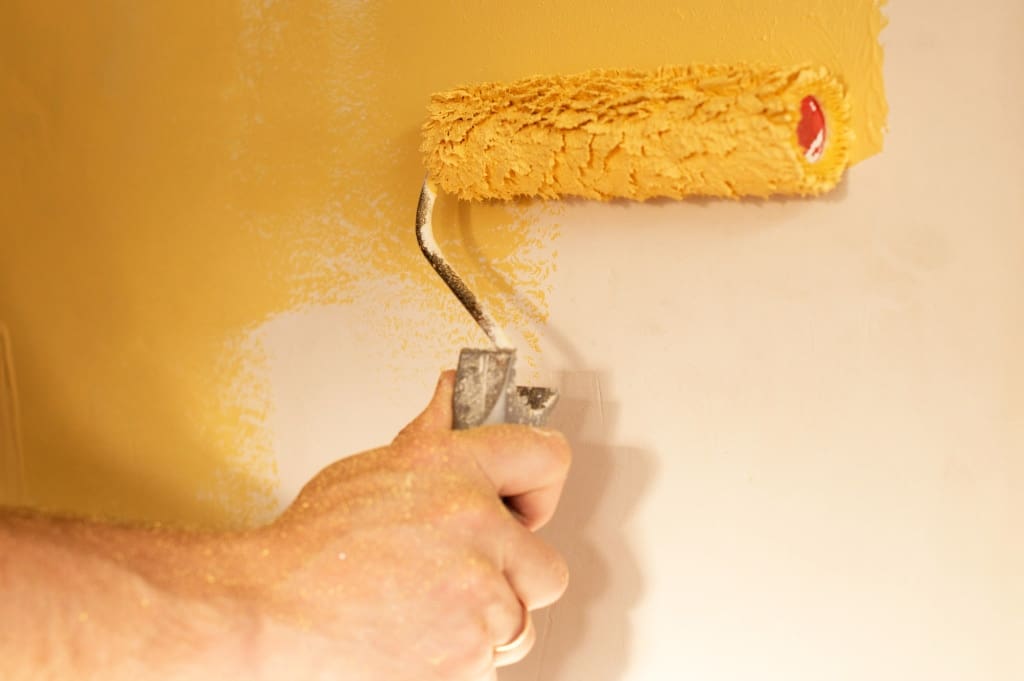
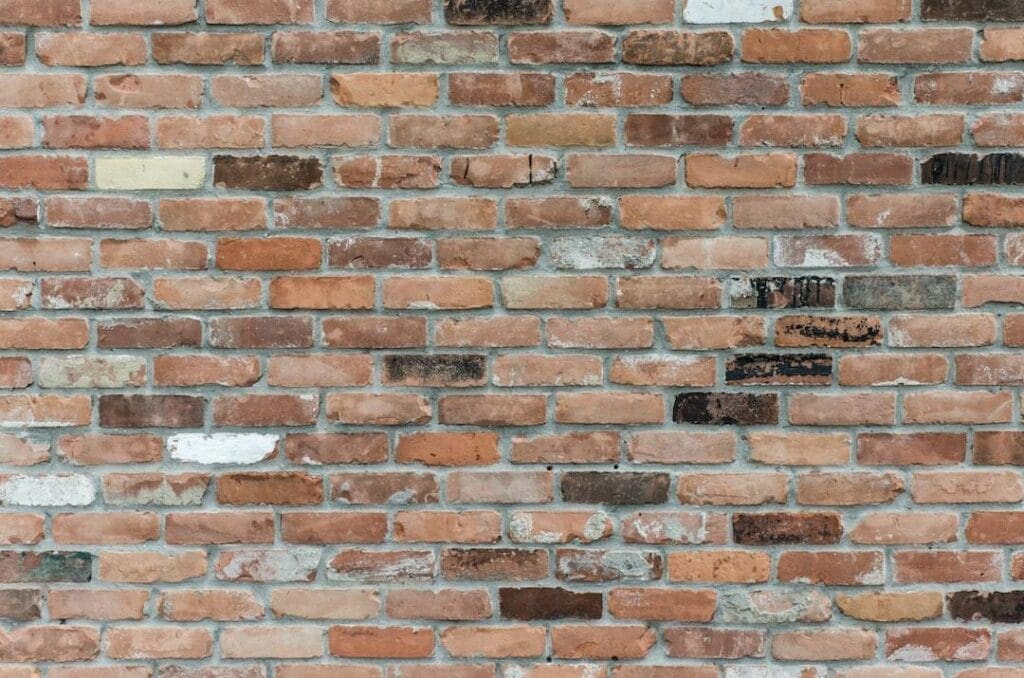
You’re not alone! We’ve all been there – caught contemplating whether to let that red-brick charm stay or give it an exciting new makeover with exterior paint.
The answer? Yes, you can indeed paint brick with exterior paint! But wait – before your excitement carries you to the nearest hardware store for many colorful possibilities, hold on just one second.
This isn’t about slapping on any random coat of hue. There’s artistry involved here: choosing the right type of paint for weather resistance and longevity, understanding how to prep your brick surface properly, and learning tips from experts who’ve been there and done that. Oh yes… painting bricks is more than meets the eye!
Let’s stick together as we journey through these complex layers. Because what’s waiting for us at the end is truly worth it.
Table of Contents:
- Getting to Know the Fundamentals of Using Exterior Paint on Brick
- Types of Exterior Paint Suitable for Brick
- Preparing the Brick Surface for Painting
- Step-by-Step Guide to Painting Brick with Exterior Paint
- Caring for Your Painted Brick Surface
- The Pros and Cons of Painting Brick with Exterior Paint
- Case Studies of Painting Brick with Exterior Paint
- Common Mistakes When Painting Brick with Exterior Paint
- Expert Tips for Painting Brick with Exterior Paint
- Environmental Impact of Painting Brick with Exterior Paint
- FAQs in Relation to Can You Paint Brick With Exterior Paint
- Conclusion
Getting to Know the Fundamentals of Using Exterior Paint on Brick
You may be wondering, can you use exterior paint on brick? The short answer is yes. Before applying paint to a brick wall, it is important to understand the necessary preparation and considerations.
Firstly, bricks are porous. They absorb moisture and allow it to evaporate again. This natural process needs to continue even after painting, or else problems could arise, like blistering or peeling paint.
The Right Type of Paint Matters
To let this happen, we need special paints that are permeable enough for water vapor but tough against weather conditions. Acrylic latex paints often fit the bill here because they’re durable and breathable.
Making Sure Your Brick Is Ready for Painting
Before starting your project, ensure your brick surface is ready for painting. It should be clean and free from dirt or mold, which might hinder the adhesion of the paint.
Patching Up Damages First.
If there’s any damage, like cracks or chipping, fix them first. You don’t want these flaws in your beautiful new coat of color. Remember: preparation is key.
Remember – using exterior paint on brick isn’t a spur-of-the-moment decision. It needs thought, planning, and the right tools for success.
Types of Exterior Paint Suitable for Brick
When it comes to painting brick, not all exterior paints are created equal. For painting brick, you’ll require a paint that can endure the elements and stick firmly to the brick surface.
Acrylic latex paint, with its excellent adhesion properties and resistance against moisture, is often favored by professionals like us at Marc Poulos Painting and Decorating. This type of paint lets your bricks breathe while offering protection from weather conditions.
Masonry paint, on the other hand, is designed specifically for porous surfaces like brick. It’s highly durable and resists peeling or flaking even in harsh climates.
Elastomeric Paint: The Heavy-Duty Option
If you’re dealing with older bricks or live in an area prone to extreme weather fluctuations, elastomeric paint might be your best bet. This thick coating creates a waterproof barrier but allows moisture vapor to escape from the inside out, which helps prevent mildew formation.
The Eco-Friendly Choice: Mineral-Based Silicate Paint
Silicate paints form a permanent bond with masonry surfaces such as bricks – becoming part of the structure itself. Plus, they’re eco-friendly because their mineral ingredients have a low environmental impact.
Preparing the Brick Surface for Painting
To paint brick with exterior paint, you must prepare the surface first. It’s like prepping a canvas before painting – without proper preparation, your masterpiece won’t look as good.
Cleaning the Brick
Dirt and grime are sneaky. They can hide in tiny pores of bricks, making them hard to spot. But don’t worry. A pressure washer can help clean those stubborn spots. Don’t set it too high, though, or you might damage your brick.
Repairing Damaged Areas
Ever tried drawing on crumpled paper? That’s what painting over damaged brick feels like. So, fix any cracks or chips using mortar mix. Here is an easy DIY guide for patching up masonry defects.
Applying Primer Before Paint
A primer acts like a secret handshake between the paint and brick—it helps them bond better. Use a latex primer that allows moisture from inside your house to escape but blocks rain from getting in—kind of its little superhero power. Check out this list of top-rated exterior primers suitable for bricks.
Clean thoroughly, repair if needed, and prime well before creating that masterpiece on your brick wall.
Step-by-Step Guide to Painting Brick with Exterior Paint
The first step in painting brick is selecting the right paint. Use a specialized masonry or elastomeric paint. This will ensure the longevity of your project and help protect against weather damage.
Preparing Your Surface
Cleanliness is key when it comes to painting bricks. Start by removing loose dirt or dust using a stiff brush, then wash down with soapy water for stubborn stains. But remember, you’ll need to let your bricks dry completely before moving on.
Check out your bricks closely after cleaning – do they need repairs? Small cracks can be fixed using acrylic caulk; larger ones might require professional attention from companies like ours at Marc Poulos Painting and Decorating.
Laying Down Primer
To make sure our chosen exterior paint sticks well, we’re going to use primer next. A quality latex primer should do just fine here – it’s perfect for helping topcoats adhere better and providing an extra layer of protection against moisture.
Picking Up That Brush.
This part’s exciting: starting to see those bricks transform. For best outcomes, coat the bricks with two layers of paint and wait for each to dry before adding another. It might seem tedious but trust us – this patience pays off.
Note that if you find all these steps daunting or time-consuming, don’t hesitate. We at Marc Poulos Painting are always ready to lend a hand (or rather, pick up a brush).
Caring for Your Painted Brick Surface
Keeping your painted brick surface looking fresh and vibrant doesn’t have to be a chore. With the right care, you can maintain its appeal and longevity.
Regular Cleaning is Key
A gentle cleaning routine helps keep dirt and grime at bay. Use a mild detergent with warm water and scrub lightly using a soft brush. Rinse thoroughly, but avoid high-pressure washers as they may damage the paint.
Mindful Inspection for Damages
Detecting early signs of wear or damage can save you from hefty repair costs later on. Look out for peeling paint, efflorescence (those white powdery substances), or cracks that might need attention.
The Right Time to Repaint
If the color starts to fade or if there are noticeable damages, it’s time to consider repainting. A quality exterior paint job should last about 15-20 years, according to paint.org. But remember that preparation is key. Make sure any repairs are done before starting another round of painting.
Taking good care of your painted brick surfaces not only keeps them looking great but also extends their lifespan significantly. It’s like taking care of our skin – consistent love pays off.
The Pros and Cons of Painting Brick with Exterior Paint
So, you’re thinking about painting your brick exterior? This is a big decision. Let’s take a neutral perspective and examine the advantages and disadvantages to assist you in making an educated decision.
The Upsides of Painting Brick with Exterior Paint
Painting brick can give your home a fresh, updated appearance. A coat of quality exterior paint lets you choose from countless color options beyond traditional red or brown bricks.
Beyond aesthetics, paint protects against harsh weather conditions and potential damage. It can even boost insulation slightly for better energy efficiency.
The Downsides of Painting Brick with Exterior Paint
But painting isn’t all roses; there are some drawbacks to consider as well. Once painted, it’s nearly impossible to return to the original raw brick aesthetic if you change your mind later.
Maintenance could be more demanding, too, since chipping or peeling paint needs prompt attention to prevent moisture infiltration which could lead to costly repairs. Regular upkeep, therefore, becomes essential when dealing with painted bricks.
Note: Prior experience strongly recommends professional consultation before embarking on such projects due to their complexity. This balance between benefits and pitfalls gives us food for thought: Is it worth taking up that brush after all?
Case Studies of Painting Brick with Exterior Paint
The versatility and durability of exterior paint on brick can be seen in real-life examples.
In this project, they used acrylic latex paint for its exceptional adherence to brick surfaces. The result? It is a beautifully updated home that stood up well against harsh weather conditions over time.
Another example comes from our backyard at Marc Poulos Painting and Decorating. We had a client with faded yellow bricks who wanted a fresh look without losing the classic appeal of their property.
We chose high-quality masonry paint that offered excellent coverage and durability while also preserving the texture of the original bricks. After careful preparation and application, we gave them exactly what they requested—a modern yet timeless finish.
A final case study is an urban apartment complex painted by us using eco-friendly paints as part of our commitment to environmental sustainability. It’s not just about aesthetics; it’s also about being responsible citizens.
The results were amazing—breathing new life into aged buildings while minimizing harm to our environment. Remember: your choices matter—not only for your home but also for our planet.
Common Mistakes When Painting Brick with Exterior Paint
Many folks jump into painting brick without realizing it’s not the same as slapping paint on drywall. But fear not. We’re here to help you sidestep these common pitfalls.
Choosing the Wrong Type of Paint
Picking out paint isn’t just about color choice. Some folk make the misstep of employing latex-based paint on brick, which can cause moisture issues and peeling in time. Some people make the mistake of using latex-based paint, leading to moisture problems and peeling over time.
Sacrificing Preparation for Speed
Rushing through prep work is another typical error we see. You must clean and repair your bricks before painting; otherwise, your fresh coat won’t stick around for long.
Ignoring Weather Conditions
A surprising number overlook weather conditions during their project timeline planning. Wet or freezing temperatures? That’s a no-go for outdoor painting jobs because they compromise drying times and final results.
Neglecting Regular Maintenance
Last but definitely not least, some homeowners forget that painted brick needs regular maintenance—just like any other part of your home—to keep its best look intact.
So remember: be thoughtful in choosing paint type, don’t skimp on preparation steps, respect Mother Nature’s timetable, and take care of your newly painted surface afterward.
Expert Tips for Painting Brick with Exterior Paint
Painting brick with exterior paint is a game-changer. But, like any great play, you need the right strategy. Here are some expert tips to get that professional finish.
Pick the Right Paint Type
Firstly, not all paints work well on brick. For best results, choose elastodynamic paint or high-quality acrylic latex paint. These types can withstand harsh weather conditions and offer excellent coverage.
Clean Before You Start
No shortcuts here. Cleaning your brick surface thoroughly before painting is crucial. This will remove dirt and grime that could affect the adhesion of the paint.
Dry Out Your Bricks
Remember: bricks love water as much as ducks do. To make sure your coat stays put, let them dry completely after cleaning but before painting. Bob Vila recommends waiting at least 24 hours for drying time.
Priming Is Key
You wouldn’t skip moisturizing before applying makeup – don’t skip priming your bricks either. Use an alkali- and efflorescence-resistant primer to prep your surface perfectly.
Taking Care Of Freshly Painted Brick Surfaces
A little care goes a long way in maintaining freshly painted surfaces. Family Handyman suggests regular cleanings and touch-ups when needed. It’s simple but effective.
Environmental Impact of Painting Brick with Exterior Paint
The truth is that different types of paint have varying effects on our planet.
The first point to consider is volatile organic compounds (VOCs). Some exterior coatings contain high concentrations of these detrimental elements, resulting in air contamination and health issues when released into the environment. But there’s good news. Many brands now offer low-VOC or zero-VOC options, making your project more eco-friendly.
The type of pigment used in the paint also matters. Natural pigments may not offer as vibrant colors or the same longevity in extreme weather conditions. However, they are generally less harmful than synthetic ones. It’s like selecting between an organic apple from your backyard and a lab-engineered one that has been modified for shelf life – both have their upsides and downsides.
Prolonging Your Paint Job Life-Span
A longer-lasting paint job reduces waste by cutting down on repainting frequency. High-quality exterior paints tend to last longer because they’re formulated for durability against elements such as sunlight and rain.
To ensure longevity, proper surface preparation before painting is crucial; this includes cleaning off any dirt or mold growth and repairing cracks or chips in the brickwork – think “marathon training,” preparing well means performing better over time.
Recycling Leftover Paint
Recycling leftover paint can also minimize environmental impact. It’s like passing on a half-read book to a friend instead of throwing it away – good for the planet and your garage space.
FAQs in Relation to Can You Paint Brick With Exterior Paint
What kind of paint do you use on brick?
Masonry or latex paints are best for brick because they’re breathable, allowing moisture to escape from the bricks.
What is the best paint finish for exterior brick?
A flat or matte finish works well with exterior brick. It masks imperfections and offers a desirable low-reflective look for outdoor surfaces.
What can I use instead of exterior brick paint?
If not painting, consider using a stain. Brick stains penetrate the surface, providing color without sealing off its natural breathability like some paints might.
Does exterior brick need to be sealed before painting?
No, but it should be properly cleaned and primed. A quality primer aids in the adhesion and durability of your topcoat paint on bricks.
Conclusion
It’s a yes, but it takes more than just picking up the brush. You’ve got to know your paints, prep your surface well, and follow expert tips.
The weather-resistant qualities of certain types are essential for longevity. A properly prepared brick surface can make all the difference in achieving a flawless finish.
Mistakes happen when painting bricks – we discussed those too. But armed with this knowledge, you’re less likely to fall into common pitfalls!
Caring for painted bricks is crucial because maintenance ensures aesthetic appeal over time.
So go ahead – pick that perfect color! Remember: when done right, painting brick walls with exterior paint doesn’t only change appearances; it breathes new life into them.

Marc Poulos began his real estate and financial services career, but he soon realized that his true passion was beautifying homes. He started working with various small craftsman shops before serving an apprenticeship with the Ritz Carlton Hotel in Chicago. His commitment to excellence won him Top Apprentice from Washburne trade school in Chicago – the country’s premier school of its kind.